
 Compiled by Tara Watkins, LICSW Struggling to fight an invisible battle with suicidal thoughts may make us feel that we are alone. During these moments, a personalized suicide prevention kit which includes concrete objects and steps to help us get through the day, may be essential. A suicide prevention kit is a collection of items that help us remember our reasons to live — even when we may feel that all hope is lost. If this sounds like something that might be useful, but you don’t know where to start, the following ten suggestions from the American Foundation for Suicide Prevention (AFSP) and The Mighty (an online community offering peer support for those experiencing mental health challenges) may be a good place to begin. (*** Please note that this list is not all inclusive and any suicide prevention kit should be explored first and foremost with your personal therapist or clinician. If you do not have a therapist or clinician and are experiencing suicidal thoughts, please call the National Suicide Prevention Lifeline at 1-800-273-8255, or reach the Crisis Text Line by texting “START” to 741741. For local support please reach out to the Providence Center’s Emergency Services line at 401-308-2139. This line is answered by a trained clinician 24 hours a day, seven days a week.) Potential things to include in a suicide prevention kit.
Above all else remember- your life does matter, and you are not alone! Every small step you take – sometimes simply just putting one foot in front of other- will help get you through the toughest moments and continue to live. If you need support right now, call the National Suicide Prevention Lifeline at 1-800-273-8255, or reach the Crisis Text Line by texting “START” to 741741. All calls are confidential. *****For local Support/help: Providence Center Emergency Psychiatric Services 401-308-2139. A clinician is available to speak with callers by phone 24/7 and may also be able to respond in person for support, depending on time of day of the call (generally, 8:30-4:30pm weekdays and 12-8pm on weekends.) ***** Reference Sources: World Health Organization website The Mighty.com. September 10th edition focusing on Word Suicide Prevention Day (The Mighty is a safe and supportive peer lead community for those experiencing mental health challenges.)https://save.org/about-suicide/suicide-facts/ SAVE uses the most recent data available from the Centers for Disease Control and the World Health Organization; Rhode Island Chapter of American Foundation for Suicide Prevention.https://afsp.org/chapter/afsp-rhode-island/ Free Event for Survivors of Suicide Loss: November 23, 2019 Rogers Free Library 525 Hope Street (Route 114) Bristol, Rhode Island 02809 10:00am-1:30pm. Lunch provided. To register or for more information please contact: Missy Ames missyamesafsp@gmail.com 401-447-9816 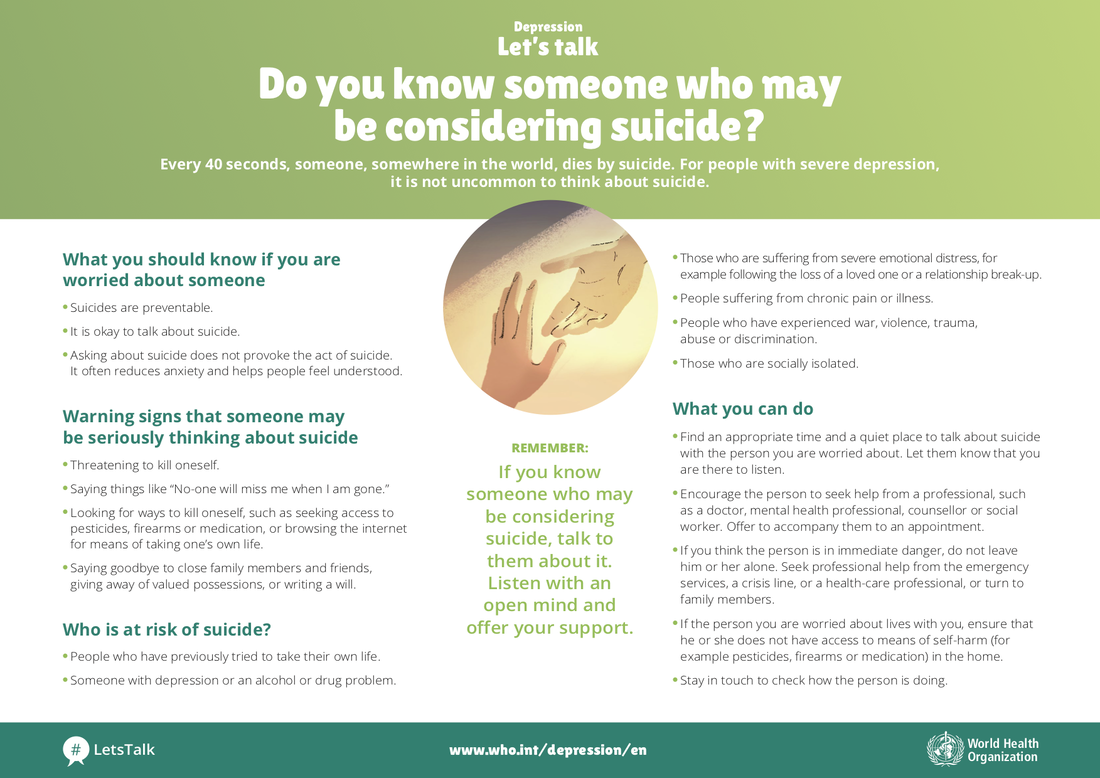 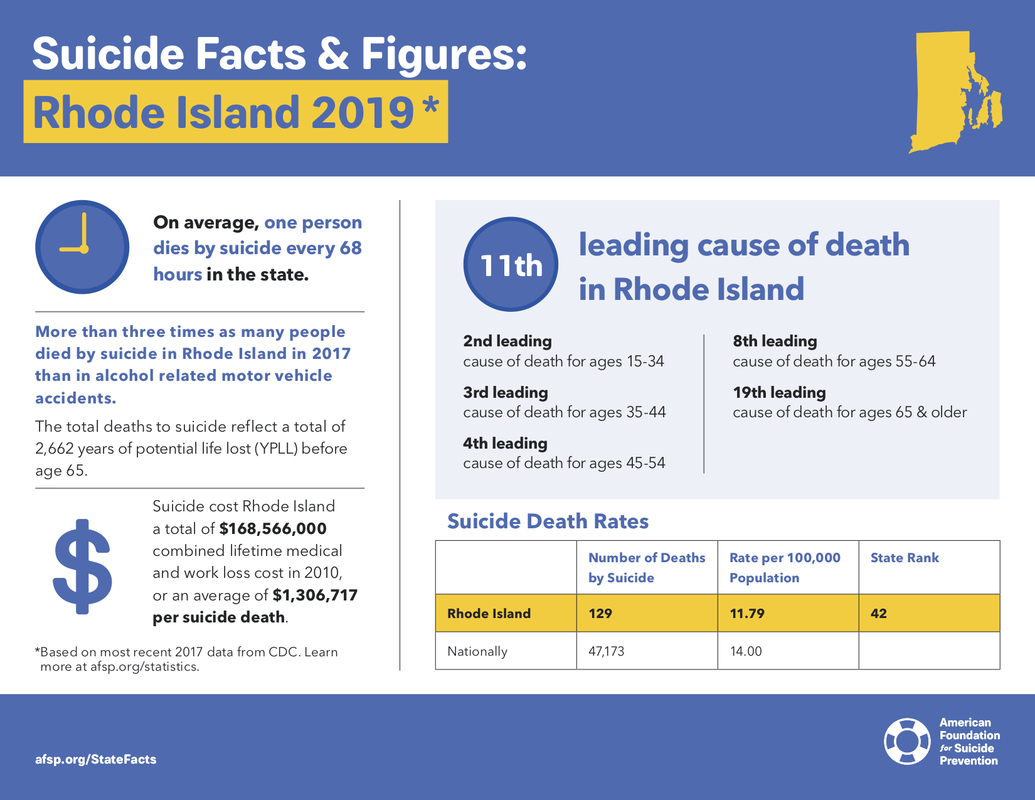 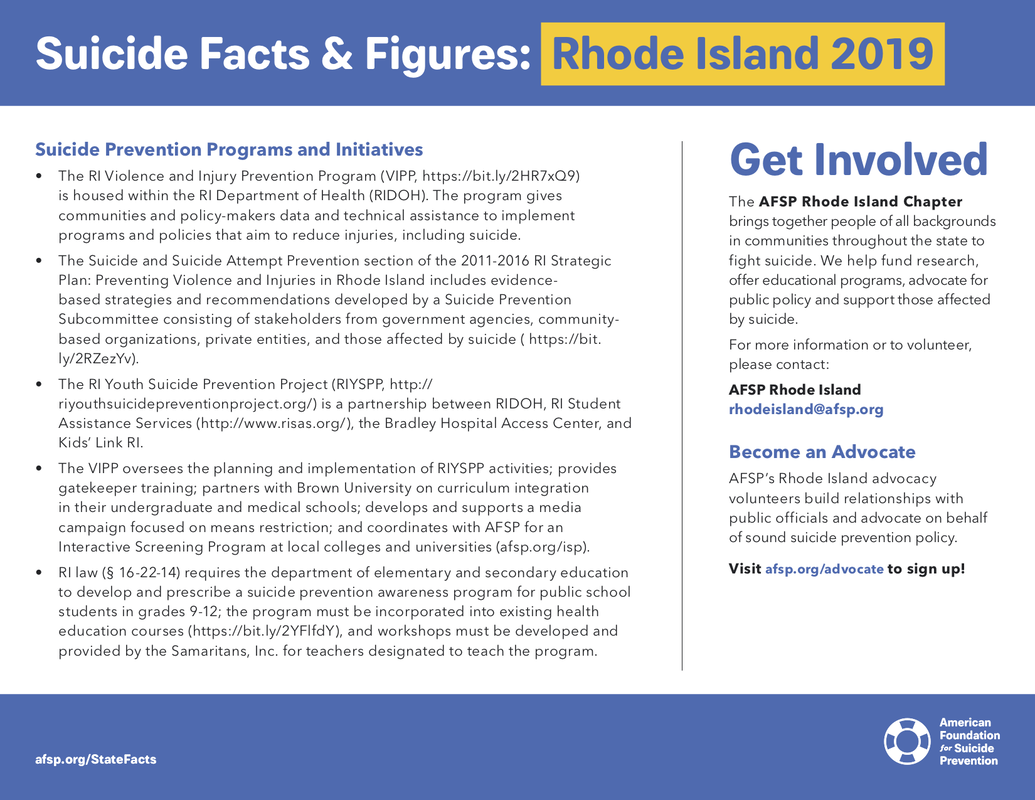  It’s about the journey,
not just the destination By Tara Watkins, LICSW For many, the High Holidays are a time for reassessing goals, those achieved as well as those that remain unfinished. We might ask ourselves, “would our (unfinished) goals align with our core values, be realistic, or hold meaning in our lives?” If the answer is “no” then perhaps they were created for the wrong reasons and therefore not truly useful for us. Studies have shown that the more we align our goals with core values and principals the more we are likely to find satisfaction in goal setting. Meaningful goals involve values, bind us to reality, and call for self evaluation. They help us more fully understand what is important. (Chowdhury, 2019.) Meaningful goals also play an important part in the development and maintenance of our psychological well-being. When we are making progress on our goals, we are happier emotionally and more satisfied with our lives (Pychyl, 2008). Unfortunately, too often we might find ourselves focused on the end result, rather than the process it takes to get there. The goal process, or journey, is itself full of rich opportunity for personal growth. Some experts suggest that the journey towards our goal is even more important than the ultimate completion of the goal itself (Robbins, 2014). When we ignore the process and focus only on the attainment, we lose sight of what we are trying to achieve. Studies show that goal progress is related to positive emotions and overall wellbeing. (Pychl, 2008) When we make progress on our goals, we experience positive emotions and more satisfaction with life. This in turn increases our sense of overall well-being. Positive emotions also contribute to our motivation to act. Thus, working towards our goals is a win win situation, if we can just begin the process. The following are four simple steps to help us get started in goal setting: 1) Make a plan (and write it down). As the famous saying goes, “Begin with the end in mind.” The most crucial aspect of goal-setting is to build an effective plan. Plans, especially written ones, make habit forming and maintaining easier. Research shows that goals that are not kept only in our heads but rather written down have a higher completion rate. Personal goal setting might be as simple as writing up a daily “to do” list (depending on the complexity and time frame of the goal). 2) Explore resources. The more we educate ourselves about the goal itself, the easier it will be to see it through. For example, we might begin to broaden our knowledge base by talking to experts or engaging with others who have also completed this goal. 3) Be accountable. We tend to succeed with goal setting more often when we are held accountable by/to someone else. If we must be accountable only to ourselves, keeping a log or journal of our progress can help with accountability. 4) Use rewards. Rewarding ourselves – whether it’s spending time with a friend or engaging in a special activity we have really wanted to do – motivates and boost us up. Using a rewards system, particularly when we are trying to achieve a difficult goal, may help continue with the plan and not lose motivation. (Chowdhury, 2019) Remember that there may be set backs along the way. Realistic expectations should factor in a certain amount of getting off track. But, please do not allow yourself to remain stuck here. Accepting ourselves as we are – both our strengths and our weaknesses – helps in maintaining realistic expectations. By allowing ourselves to bend sometimes, we are able to adapt to the changing needs of our lives while not losing sight of the goal. Shana Tovah! Need a little help with getting started with goal setting or figuring out what went wrong with a particular goal? As the Kesher social worker for the temple, Shana Prohofsky is available to help with exploring any obstacles or barriers in achieving goals as well as other personal challenges. Please contact her at shana@jfsri.org or at 401-420-4084. References: Breuning, Loretta G. Ph.D “Four Common Obstacles That Interfere with Goal Setting” Psychology Today posted on March 17, 2013. Chowdhury, Madhuleena Roy. “A Look at the Psychology of Goal Setting” PostivePsychology.com June 6th 2019. Clear, James. “Goal Setting: A Scientific Guide to Setting and Achieving Goals.” Jamesclear.com https://jamesclear.com/goal-setting Mitchell, Marilyn Price. Ph.D “Goal Setting is Linked to Higher Achievement” Psychology Today. March 14, 2018. Nowack, Kenneth, “Facilitating successful behavior change: Beyond goal setting to goal flourishing.” Consulting Psychology Journal: Practice and Research, Vol 69(3), Sep 2017, 153-171. Pychl, Timothy, Ph.D “Goal Progress and Happiness” Psychology Today, June 7th, 2008. Robbins, Stever. “How to Set Goals for the Life You Actually Want.” Work Smart April 29, 2014.  Guilt: noun, \’gilt\, 1. The fact of having committed a breach of conduct especially violating law and involving penalty, 2. The state of one who has committed an offense especially consciously, 3. A feeling of deserving blame for offenses.*
It is the punchline of many a Jewishly-themed joke, but feelings of guilt as a caregiver for an aging parent can become no laughing matter. While a small dose of guilt can serve as a great motivator, too much can overwhelm and become unhealthy. Caregivers, who experience high levels of guilt and feelings of inadequacy, are more prone to depression, risk physical exhaustion, and can become resentful. Those caregivers, whose loved ones have passed, yet who continue to second guess their caregiving, often experience prolonged, more complicated grieving. Professionals in the field of aging acknowledge that it is unrealistic to achieve a caregiving relationship that is completely guilt free. No caregiving situation is ever going to be perfect. End of life decline is a process that cannot be fixed or reversed.** Furthermore, seeking to provide complete relief or a cure from suffering is an impossible goal. It is however recommended that caregivers manage guilt by setting realistic goals for themselves, as well as the person for whom they are providing care. Although it is difficult, it is necessary to come to terms with the fact that what you think you should do is not always equal to what you can or are even willing to do.*** A wealth of supportive services exist to alleviate the burden on you, as the caregiver. As your temple’s Kesher worker, I can assess your family’s unique caregiving needs and link you to appropriate programs at Jewish Collaborative Services, as well as services in the greater RI community that are available to assist you and your family members on your caregiving journey. In addition to seeking help from others and utilizing available services, it is important to practice self-care by taking time for yourself in order to achieve a balance between caregiving tasks and other personal objectives and relationships. This could include exercise, meditation, reading a book, taking a walk, or visiting with friends. Moreover, occasional negative feelings such as anxiety or even dread associated with caregiving tasks are normal and do not mean that you do not care about or love your family member. Caregiver support groups, as well as individual counseling can be helpful in addressing feelings of inadequacy, guilt, anger, or resentment. As always, I am available through the Kesher program to provide support free of charge by lending a compassionate, confidential ear. I can also assist in making referrals for caregiver support groups, or ongoing private counseling. Below is a listing of program areas within Jewish Collaborative Services that may be suitable to meet your family’s specific needs:
Are you looking for volunteer opportunities? Partners in Care, Tamarisk, The Louis &Goldie Chester Full Plate Kosher Food Pantry, and the JERI program could always use a helping hand. Please contact Jessica Murphy at 401-331-1244 for more information. * - Guilt. 2019. In Merriam-Webster.com. Retrieved July 6, 2019, from https://www.merriam-webster.com/dictionary/guilt. ** - Capuzzi Simon, Cecelia. (July 14, 2008). Guilt by Association: Even Caring Adult Children Don’t Outgrow Feelings of Guilt. Retrieved from https://www.psychologytoday.com/us/blog/whos-caring-mom/200807/guilt-association. *** - Jacobs, Barry J. (June 1, 2016). Caregivers: Living with Guilt. Retrieved from https://www.aarp.org/caregiving/life-balance/info-2017/living-with-guilt-bjj.html. ___ Shana Prohofsky is the Kesher social worker at Temple Sinai and Temple Torat Yisrael. Kesher is the congregational outreach program of Jewish Collaborative Services of Rhode Island, funded by the Jewish Alliance of Greater Rhode Island and private donors. Shana can be reached at shana@jfsri.org or 401-428-4084. 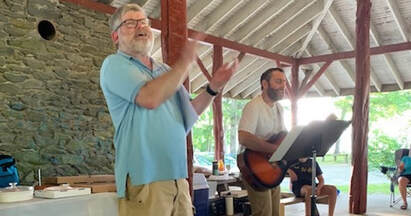 It was wonderful to see everyone from Temple Sinai and Temple Torat Yisrael join together for shabbat services at Goddard Park, finding communality and celebrating similarities. Closing out the week with song, prayer, and reflection is just one of the many ways we can set the weeks’ events behind us, allowing us to rest and reset before entering a new week full of possibility.
While the dog days of summer are upon us, I want to remind everyone that I am still available to assist with any problems that might be troubling you. Please feel free to reach out to me by phone at (401) 428-4084, or by email at shana@jfsri.org.  By Tara Watkins, LICSW Grief is a complex personal journey. We may think, or be told, that we need to "get over it” or "move on.” At times we may struggle with ways to find closure or say goodbye. We may feel a range of emotions from deep sadness and loss to relief, remorse, or even betrayal. All are normal grief reactions. Giving ourselves space to feel the emotions without judgment is important. Most of us are familiar with the five stages of grief by David Kessler and Elisabeth Kubler-Ross. According to Kessler, “these stages (denial, anger, bargaining, depression, and acceptance) were never meant to help tuck messy emotions into neat packages.” He explains, “They (the five stages) are responses to loss that many people have, but there is not a typical response to loss as there is no typical loss. Most of us do not experience all of them or in a prescribed order. At times, people in grief will often report more stages. Just remember your grief is as unique as you are.” Some of us may feel a strong sense that part of ourselves is now missing or died with our loved one. As a result, it may be hard, if not impossible, to remain the same person we were before the death. We might find ourselves asking, “who am I now that this person is no longer physically in my life?” As we walk our grief paths we may discover a new personal identity slowly emerging. Sometimes it might take time, even years, to really know and identify with this new sense of self. At times, we may feel “set back” in our journey, perhaps after experiencing a trigger such as a special anniversary, familiar scent, or finding a treasured memento. It is during times like these that leaning on personal supports such as members of our own social networks, a trusted rabbi, religious leader, professional therapist or grief counselor may be restorative. Joining a community of peers who are also on grief journeys is another way to help strength and sustain ourselves during the difficult moments. It helps us remember that although our personal loss is individual, grief itself is a universal human experience. We are not alone in experiencing grief. Above all else, please remember to be gentle with yourself, give yourself time to grieve- take one step at a time, and just keep on stepping. Would you like help with navigating a grief journey challenge? Temple Sinai’s Kesher social worker, Shana Prohofsky, is available should you like help with finding grief resources, an ear to listen, or guidance and direction around another personal situation. Shana is available to speak by phone, in person, or by email. Please reach out to her at 401-428-4084 or shana@jfsri.org. Referenced material: Website: https://whatsyourgrief.com/ What's Your Grief: Grieving Someone You Didn’t Like (because it happens) - 2017-02-02 09:34:13-05 Therese A. Rando, “How To Go On Living When Someone You Love Dies.” New York: Bantam Books, 1991. David Kessler and Elisabeth Kubler-Ross, “On Grief and Grieving” New York: Scribner, 2014. Tara Watkins, LICSW, is the Kesher social worker at Temple Emanu-El. Kesher is the congregational outreach program of Jewish Collaborative Services, funded by the Jewish Alliance of Greater Rhode Island, and private donors. Currently, Kesher is active at Congregation Beth Sholom, Temple Torat Yisrael, Temple Emanu-El and Temple Sinai. 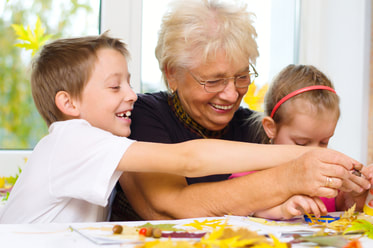 “Did Bubbe let YOU do that as a kid?”
“That is DEFINITELY not the same woman who raised me!” “Oh, this is the time to spoil them, we just don’t see them often enough.” “Family get togethers cause just as much strife as they do pleasure…” These are just a few of the phrases I heard floating around Seders and synagogues this Passover season. Holidays and vacations are often a time for families to come together, which can bring forth pleasure but also stress or hard feelings. So, as summer approaches and family vacations are being penciled onto calendars, how do Jewish grandparents view themselves, what is their role these days as families evolve, and how do we keep peace in our homes? Earlier this spring, The Jewish Grandparents Network released findings of the first study of Jewish grandparents. They found that 94% of the 8,000 respondents were positive about their experiences as grandparents. Yet, 19% reported feeling under-appreciated in their role as grandparents by their adult children, 16% reported difficulty in achieving balance between grandparenting and other roles, and 11% reported grandparenting as stressful.(1) The findings show that grandparenting experiences are multi-faceted; and that as with most things in life, there are negatives along with the positives. What if you find yourself experiencing the same feelings, either as the grandparent or parent? What can be done to achieve more positive experiences going forward? While the study has not yet addressed these questions, a good starting point is to examine the why’s behind the negative feelings. As cliched as it sounds, are there unresolved issues from raising the parents as children? Is there a difference in expectations between the parents and grandparents? Is there tension because of family dynamics? Is there a lack of boundaries between parents and grandparents? To gain a greater perspective, try to consider the particular issues from different points of view. First and foremost, examine the issues from your point of view. Determine what is really the cause of some anxiety and what you would like to change. Next, try to view the issues from the perspective of the other side. How would the other person see it? Finally, and often the most difficult, is to look at the issues as if you are an unbiased third party. Would an outside observer see the issues in the same light? (2) After examining the whys, it is time to move onto the hows. How are these feelings going to be resolved? Open and honest communication is always key, but mindfulness about the approach is necessary. The conversation should take place away from grandchildren. Also, it is best to try not to start the conversation in a heated moment. Wait until things are calm to open the dialogue. Begin the discussion from a positive place. A good way to start off could be by saying, “I know we both want what is best, and we both agree on…,” or “we both love…” Be open to hearing the other person’s point of view. Be careful to not assign blame when discussing the particulars, which can quickly shut down the conversation. Be flexible in finding a resolution, even if this means agreeing to disagree. Most importantly, be respectful of each other’s role as grandparent and parent. Grandparents are essential to our families and communities. Let’s keep them involved. Are you finding yourself in a similar situation? If something in this article strikes a personal note with you and you would like to explore your thoughts in a confidential and private manner, I am available. As the Kesher worker for the Temple. I can help provide support to congregants and their families on a variety of concerns, including those related to familial or intergenerational conflict. I may be reached by email at shana@jfsri.org or by phone at 428-4084. --- 1 Hendler, Lee M. and Raphael, David. (March 25, 2019). Who’s Your Bubbe Now? Some Surprising Findings from the 1st National Study of Jewish Grandparents. Retrieved from https://ejewishphilanthropy.com/whos-your-bubbe-now-some-surprising-findings-from-the-1st-national-study-of-jewish-grandparents/ 2 Civico, Ph.D., Aldo. (June 4, 2015). 3 Steps to Resolving Conflict Within Your Family: The Perspective Triage Strategy Allows You to Master Your Emotions. Psychology Today. Hello, I am Shana Prohofsky, and I am the new Temple Sinai Kesher social worker. For those of you who I have not yet met, or who are not familiar with the program, Kesher is the congregational outreach program of Jewish Collaborative Services. It is funded by the Jewish Alliance of Greater Rhode Island and private donors. Kesher is currently active at Temple Torat Yisrael, Congregation Beth Sholom, Temple Emanu-El, and of course here at Temple Sinai. I also serve as the Kesher social worker at Temple Torat Yisrael.
The Kesher program provides a synagogue-based social worker to assist members of the congregation during periods of life transitions and struggle. Kesher also serves as a gateway to additional supportive services provided within both the Jewish and broader communities. As the Kesher social worker for Temple Sinai, I am available to meet with congregants, families, and individuals for consultation, resource guidance, referrals for counseling, and just to talk. These services are all provided free of charge to congregants and on a confidential basis. Sometimes, having an intermediary advocate on your behalf can help support a personal dignity while providing privacy and anonymity around sensitive issues. Additionally, Kesher helps organize and set up programming on topics of family life, as well as social concerns. Examples of past programming by other Kesher workers include: Wise Aging discussion group, Matter of Balance, Managing Daily Stress, Internet Safety, Grief Support Group, Scam Awareness for Seniors, a panel discussion to support Future Planning for Primary Caregivers of Individuals with Special Needs, a viewing of the documentary Screenagers followed by a Q&A, and more. Currently, I am exploring interest in the following programs: 1. Caring Connections: exploring how to offer practical, as well as emotional support in times of illness, grief, and/or loss. 2. Finding the Balance: including Jewish customs and practice into daily life; and finding the right balance for your family. If any of these topics are of interest, please let me know. I am also happy to develop a new program on a particular subject of interest. If you would like to learn more, receive services, or suggest program ideas, please call me on my work cell phone at 401-428-4084 or email me at shana@jfsri.org. I look forward to meeting many of you and supporting you on your personal life journeys. Shana Prohofsky Jewish Collaborative Services 401-428-4084 (work cell) shana@jfsri.org By Stacey Lefever
I grew up in a town with few Jewish families and so being Jewish made me feel alienated, like an outsider. While my friends celebrated Christmas, I received socks and gelt from my parents, because, as my mother pointed out, Hanukkah was not an important Jewish holiday. While my friends sat down for meals of ham and mashed potatoes at Easter, my family and I ate stale cracker matzoh and horseradish for Passover. I did my best to hide my Jewish identity, often pretending to be Christian like everybody else. When I was out of school for the High Holy Days, I would tell my classmates I had been ill. I attended Hebrew School twice a week, kicking and screaming all the way, and eventually was Bat Mitzvahed, but after the pomp and circumstance, I disappeared from synagogue. After college, I moved to New York City, and there I met a young woman who had grown up in a largely Jewish town in New Jersey. Her take on being Jewish was radically different than my own. For her, Judaism was not simply a religion, but a culture. She began taking me to friends’ houses for Shabbat dinners and we explored the eclectic variety of synagogues in the city; Reform, Reconstructionist, Modern Orthodox, and Conservative. The choices seemed endless. I began to see what she saw in her Jewish faith, a vibrant living legacy that was part of her greater identity. I began to get a sense of the Jewish community, which was far greater and more diverse than either of us. As I grew older and moved from New York to Pittsburgh, I began to seek out the larger meaning of being Jewish for myself. I began holding a giant Hanukkah celebration at my house for all of my friends, Jewish and gentile. I spent three days in the kitchen making a huge Passover dinner and invited my whole family. I began to see that, whether we were Ashkenazi or Sephardic, Israeli or Diaspora, Ethiopian or Russian, all of the Jewish people spoke the same language, not Hebrew; but a language of being different, unique, persecuted, stubborn and steadfast. A language filled with both celebration and suffering. A language of our own. I see Judaism as a giant, ancient tree; with many branches, going in many different directions. Temple Sinai is one of those branches. When I began working at Sinai in March, I felt both a strong connection to the Temple community and a sense of purpose in my profession as a social worker. Whether it was discussing psychology with Rabbi Goldwasser, kibitzing with Dottie at the front desk between therapy sessions, joking around with Rabbi Sol during Hebrew School, shoveling in bagels at Shabbat breakfast, or sharing dessert with the folks in the Kosher Café; I continually felt supported in my mission to help others. I heard that wonderful passionate language of the Jewish faith spoken here. Instead of feeling alienated, I began to see that being different actually made me fit in. Sinai embraced me, and I embraced it. I began to feel myself growing into a small leaf on the strong branch of the Sinai community. And so, it is with great sadness that I must tell you that I am leaving Temple Sinai and my work as a Kesher Social Worker. I am moving on to a full-time position at another agency in Connecticut, a decision which was incredibly difficult to make. Not every day was easy in my work at Sinai, some days were extremely challenging, but I always felt a sense of purpose and dedication in both my professional and spiritual life. I have felt the love you have for one another, and the strong sense of faith, social justice, and passion for mitzvot that Sinai members share. Rhode Island is a small state, and the Jewish community is even smaller, so I believe I will see many of you as time goes on, crossing paths on our respective journeys. I hope that in, however a limited way, whether directly or indirectly, I have made a difference in the Temple Sinai community. I can sincerely say that all of you have made a difference in mine. Thank you for allowing me to be only a small leaf on this beautiful big tree. Stacey Lefever, LCSW, is the Kesher social worker at Temple Sinai. Kesher is the congregational outreach program of Jewish Collective Services of Rhode Island, funded by the Jewish Alliance of Greater Rhode Island, and currently active at Congregation Agudas Achim, Temple Torat Yisrael, Temple Sinai, Temple Emanu-El and Congregation Beth Sholom. She can be reached at stacey@jfsri.org or 401-428-4084. If would like to contact Stacey, her last day will be Tuesday, September 18th at the Kol Nidre service. She will be available at both her email stacey@jfsri.org or by phone at (401) 428-4084 until then. Please contact her supervisor, Rose Murrin, at Jewish Collective Services, (401) 331-1244 or rose@jfsri.org with any questions or concerns after that date. By Tara Watkins, LICSW
Many of us would like nothing more than to relax in the great outdoors by ourselves or with loved ones this time of year-soaking up the warmth and sunshine of the summer days. However, all too often we may find ourselves putting this enjoyment on the back burner to prioritize other responsibilities. Perhaps our kids have an extracurricular activity we must bring them to, or our parents need a little extra help, work asks us to put in over-time again, and let’s not forget that lengthy lists of “things to do” around the house. With all that each day brings (and I’m sure each of us can think of many other tasks that I have not written here) it may seem all too easy to de-prioritize taking time for ourselves. A recent study found that many parents and caregivers work an average of 98 hours per week, surviving with an average of only 17 minutes of free time each day. (Sadly, I bet for some readers this is even on the low side for work hours.) How many times do we find ourselves shaving off hours of sleep, skipping meals, exercise or other activities that promote personal wellness only to find ourselves more lethargic, less clear thinking, and/or developing mood changes such as becoming more irritable or depressed. Simply put, we cannot be there fully for our jobs or loved ones if we do not also take time to be there more fully for ourselves. To live well requires learning to balance the scale. When the scale is weighed more towards giving to others than nurturing and restoring ourselves symptoms of burnout begin to surface. When we have reached a state of emotional, mental and physical exhaustion (often caused by prolonged stress) burnout has occurred. Burnout involves feeling overwhelmed and/or emotionally drained to the extent that our ability to function on day to day basis is impacted. However, burnout doesn’t happen overnight. It is more of a gradual process. Taking time for a little TLC, or self-care is vital to a healthy life and preventing burnout. It is not uncommon to feel a little awkward or guilty when we begin to practice better self-care. However, learning to provide more care for ourselves does not mean we are selfish or self-centered. Quite the opposite! Taking time to nurture ourselves deepens our ability to care for others. It also helps us to recharge and be more present with those around us both in our professional and personal lives. Over the course of our lives we experience periods of calmness when everything seems to be going well and crisis seems at a low. However, we may also experience times when we feel bombarded with multiple emotionally charged events or difficult decisions all at once. If we have not been practicing self-care during the periods of calm these periods of intense tension or stress are liable to have more negative impacts on our lives and health. Self-care simply put Is doing something we find meaningful that helps recharge us body, mind and spirit. True self-care includes caring for the whole person. Below are just a few self-care tips to get you started.
The list of options goes on and on. Practicing self-care nurtures and supports our whole being allowing us to return to that “list of things to do” with renewed energy, focus and alertness. Wishing everyone a summer full of activities that engage and rejuvenate you- body, mind and spirit! (If you think you might be on the road to burnout and/or are struggling with how to make self-care more of a reality in your life the Kesher social worker at your temple is available to help. This free supportive service is available to all congregants and their families.) References: Front. Psychol., 09 February 2017 | https://doi.org/10.3389/fpsyg.2017.00163 https://www.statista.com/topics/2099/stress-and-burnout/ www.psychologytoday.com/us/blog/high-octane-women/201311/the-tell-tale-signs-burnout-do-you-have-them ______________ Tara Watkins, LICSW, is the Kesher social worker at Temple Emanu-El. Kesher is the congregational outreach program of Jewish Family Service of Rhode Island, funded by the Jewish Alliance of Greater Rhode Island and private donors. The Kesher program is currently active at Congregation Agudas Achim, Temple Torat Yisrael, Temple Sinai, Temple Emanu-El, and Congregation Beth Sholom. Tara may be reached at tara@jfsri.org or 401-527-7772. By Stacey Lefever
Many of us have heard the news on television or in print about the ongoing opioid epidemic. Yet, many people don't realize that they can make a difference in confronting the crisis. Your fellowship and friendship are the best ways of reaching someone with addiction, and can help an addict recover from the disease. By showing support and love, not judgment and indifference, faith communities can be a source of inspiration and hope to people on their journey to recovery. Addiction creates isolation for many, and stigma perpetuates this cycle. A supportive, loving community, open to listening and learning, eases the move toward healing, and it also invaluable to families who have a loved one with addiction. The statistics are staggering. Nearly 1 in 8 Americans have addiction, and more than 100 die each day from overdoses. Yet stigma against those with addiction has led many to believe that addiction cannot and will not happen to them or those they love. When I began my career in social work, I was living in Pittsburgh and working at a drug and alcohol rehabilitation center. I had limited knowledge of addiction prior to beginning this work, so I immediately set about trying to “change” the addict, oblivious that they were more than just their addiction. I realized quickly that addiction effects every demographic, age, and culture; including those in the Jewish community. In fact, 70% percent of people who use drugs are employed; and they live in your community, go to your temple, or even live in your home. It took several years working in the field to begin to understand the addictive process and learn that addiction was not something I could “change” for my clients. So, I began to listen, as opposed to lecturing about all the things I had learned in my studies. I also began to see the transformative effect that faith had on those with addiction. Twelve Step programs (such as Alcoholics Anonymous) have integrated faith and spirituality into their programs, and it is easy to understand why. It works. However, I also began to understand that recovery is a unique journey for every individual affected, including the loved ones of those with addiction, and so I became intensely interested in the ways the faith community itself can help those with addiction, and how it was particularly suited to combat stigma. One of the most important changes in addiction treatment in recent years has been the integration of resources in addiction treatment. This includes law enforcement, the government, and faith communities and establishments. These institutions all have a role to play in helping those with addiction recover from their disease. Kevin Hoffman, who studies the effect of addiction in the faith communities in Ohio, has explained that is it “important to remember that addiction (and recovery) are shaped by the environment, they do not occur in a vacuum.” In his home state, which has been devastated by the opioid crisis, they are taking dramatic steps to counteract drug abuse. He emphasizes that it is important for the faith community to be trained in recognizing the signs of addiction. Temples are resources for those in the faith community, and having addiction resources and referral sources available to those seeking help is an essential tool in combatting the addiction cycle. Every synagogue should consider having pamphlets for rehabilitation centers and addiction doctors, as well as Alcoholics Anonymous or Narcotics Anonymous meeting lists. Faith communities are unique in that they offer redemption and reflection to those who seek it. Offering an ear to listen, as well as knowledgeable advice, is so important to those looking for help. Many of those who suffer are simply looking for someone to walk with them on their journey. It is not important that we live this journey with them, but rather that we “meet them where they are” in their recovery. Monty Burks, who works with the faith communities in his home State of Tennessee to battle addiction, points out that we need to “move beyond the language of moral failing.” In other words, understanding that addiction is not a choice, but a disease, and that those who are addicted are not bad people, but rather people who have an illness. Most important, we must recognize that addiction is a treatable disease, but like many diseases, it may require more than one go around of treatment before someone is well. If you have any feedback or suggestions, feel free to contact me via email or phone. I also would like to have a “Recovery Day” celebration at Sinai. If you are interested in participating or sponsoring this event, please let me know. Thank you! |

Samantha ClarkSamantha Clark is part of the Kesher Worker team at Temple Sinai. Kesher is the congregational outreach program of Jewish Collaborative Services of Rhode Island, funded by the Jewish Alliance of Greater Rhode Island and private donors. Katie can be reached at 401.415.8213 or by emailing Archives
April 2021
Categories |
 RSS Feed

Affiliated with the Union for Reform Judaism
30 Hagen Avenue • Cranston, RI 02920 • 401-942-8350 Office: dottie@templesinairi.org Rabbi Jeffrey Goldwasser: rabbi.j.goldwasser@gmail.com 

|
Want to sign up for the weekly Sinai Scroll email?
Click here to receive weekly updates on Temple services, events and a message from the Rabbi. |